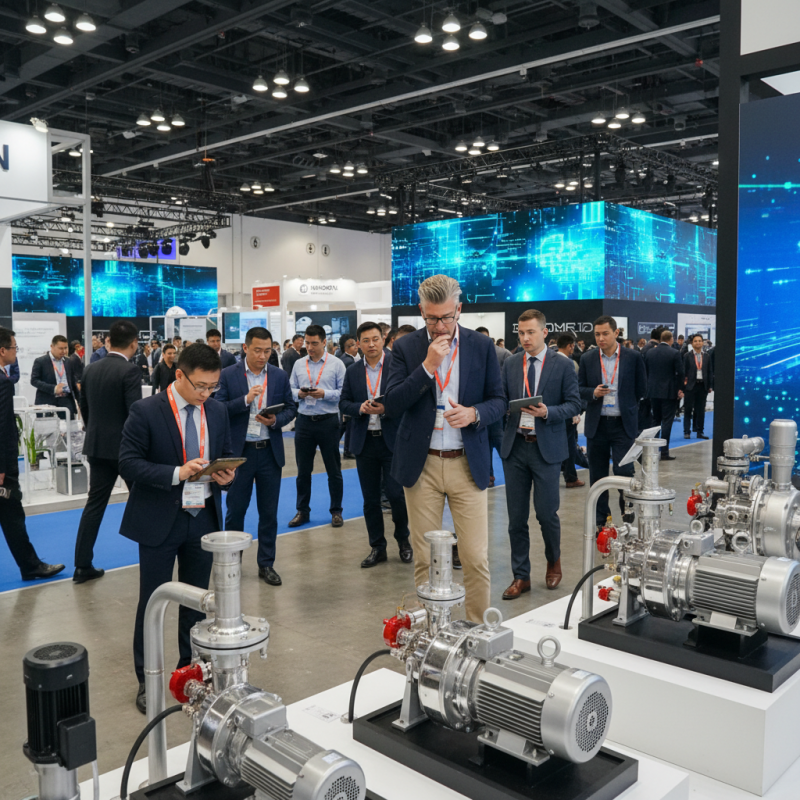
So, if you're planning to attend the 2026 Canton Fair, choosing the right self-priming transfer pump is pretty important for a lot of businesses. The event runs from April 15 to May 5, and this year they’re rolling out some cool new AI-powered search features to help visitors find what they need. Industry expert John Smith from PumpTech sums it up nicely: “Picking a good self-priming transfer pump can really boost your operational efficiency.” That really highlights how crucial it is to make smart choices when you're at such a massive fair.
Trying to navigate over 1.55 million square meters of exhibition space might feel overwhelming at first. But don’t worry—those new AI tools will help you filter through suppliers based on key certifications like ISO and CE. Still, it’s worth being a bit cautious. Just because a supplier claims they’re pros at self-priming transfer pumps doesn’t automatically mean they’ve got the experience or the quality you need.
The fair is a great chance to learn, see new products, and make some connections. But remember, it’s easy to get excited about shiny displays and new gadgets—just don’t forget to do your homework! Focusing on the product details and quality will pay off more than just getting dazzled. In an industry that’s always changing, staying updated is super important. Keep an open mind, ask questions, and take your time to find the perfect self-priming transfer pump for your needs.
Factors to Consider When Selecting a Self Priming Transfer Pump
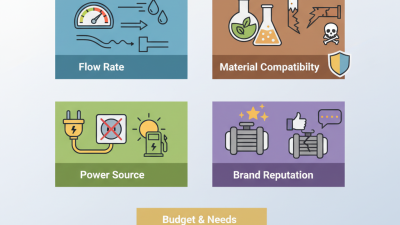
When selecting a self priming transfer pump at the Canton Fair 2026, several factors need to be considered. Efficiency is key; you want a pump that maximizes performance. Check the flow rate to ensure it meets your needs. Also, think about the material. If you're handling corrosive liquids, a pump made of durable materials is essential.
Compatibility with your system matters too. A Self Priming Wine Transfer Pump should fit seamlessly into your existing setup. Look for features like ease of maintenance. A complex design can lead to more frequent issues. Additionally, examine the power requirements. Different models have varying energy needs.
Don’t forget about noise levels. Some pumps can be quite loud, which might not be ideal for all environments. Consider your workspace and how sound might affect it. Take the time to ask questions and gather feedback from others who have used these pumps. This can help uncover both advantages and potential flaws. Sometimes, even a well-reviewed product might not suit your specific needs.
Understanding the Specifications of Self Priming Transfer Pumps
When selecting a self priming transfer pump, understanding its specifications is essential. These pumps operate efficiently without the need for priming fluids. Therefore, you should check the suction lift capability. This measures how high the pump can lift fluid. A higher lift means more versatility in applications.
Another critical specification is flow rate. It directly impacts how quickly your task can be completed. You’ll find various models, ranging from low flow rates to high-capacity versions. Assess your needs carefully. You might need a pump that can handle high volumes over long durations.
Tips: Always consider the materials used in the pump’s construction. Different materials offer varying resistance to chemicals and temperature. This can significantly affect longevity. Test the pump in a controlled environment first. Small leaks might become bigger issues later. Be prepared for adjustments. Finding the right balance between power and efficiency can be challenging, but it’s worth the effort.
Key Industries Utilizing Self Priming Transfer Pumps in 2026
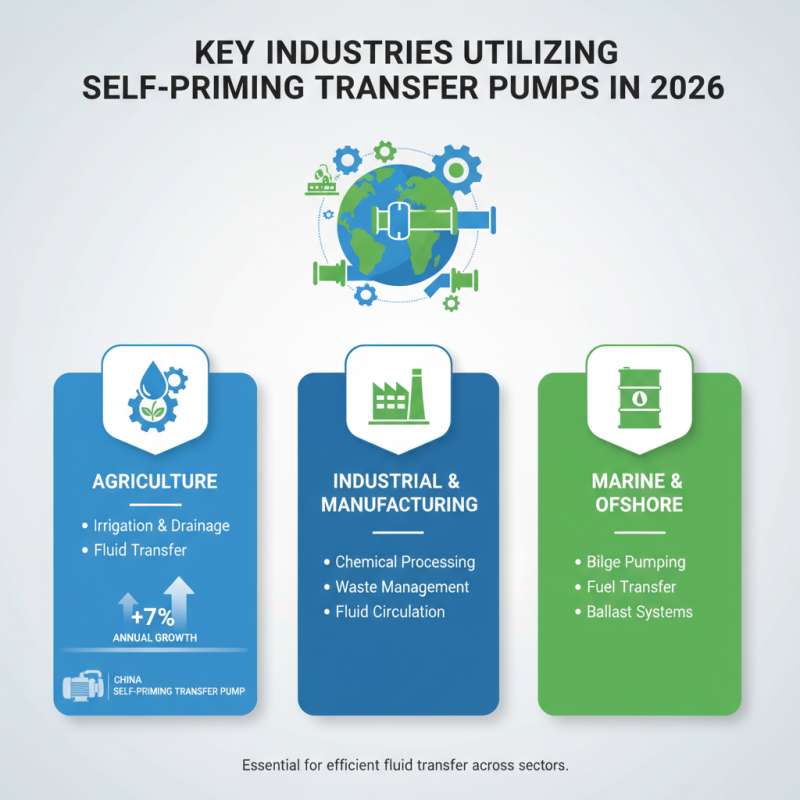
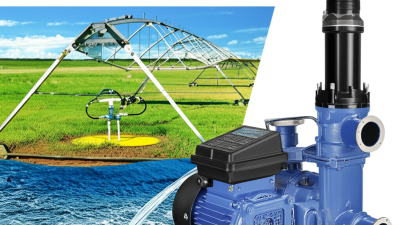
Self-priming transfer pumps are vital in many industries in 2026. In agricultural settings, these pumps facilitate irrigation and drainage. They help in transferring fluids from one location to another without external priming. According to a recent market report, the agricultural sector is expected to witness a growth of 7% annually. This trend emphasizes the need for reliable pumping solutions like the China Self Priming Transfer Pump.
In the construction industry, Self-Priming Pumps are essential for dewatering. They clear water from construction sites, ensuring safety and efficiency. A survey showed nearly 30% of construction-related delays result from water-related issues. This statistic highlights the importance of having effective self-priming pumps. Additionally, the oil and gas sector utilizes these pumps for transferring viscous liquids. In this industry, a reliable pump is critical for minimizing downtime and costs.
However, not all self-priming pumps are created equal. Users should examine specifications carefully. The ability to handle varying fluid types and maintain suction lift is crucial. Selecting the right model might require some trial and error. It's essential to understand specific industry needs. With careful consideration, a self-priming transfer pump can perform effectively in demanding environments.
Comparative Analysis of Pump Efficiency Ratings and Performance
When selecting a self-priming transfer pump, efficiency ratings are crucial. These ratings reflect how well the pump converts energy into fluid movement. Different models boast varying efficiencies, impacting performance and cost. Factors like flow rate and power consumption must be considered carefully.
Comparative analysis can highlight the pump's capability to handle various tasks. For instance, some pumps excel in high-volume applications but lag in suction capability. Others may be effective at drawing fluids but struggle with larger quantities. Testing pumps in real-world conditions can reveal unexpected weaknesses. Consumers often prioritize cost over performance, leading to regrettable choices later.
Understanding performance metrics is essential. High efficiency can reduce energy costs long-term. However, a pump’s shape or materials can affect reliability. Manufacturers may provide performance data, but these figures often don’t account for wear and tear. Buyers should reflect on their specific needs and not just the claims made by sellers. A thorough analysis will lead to better purchasing decisions.
Evaluating Material Compatibility for Self Priming Transfer Pumps
When selecting a self priming transfer pump at the Canton Fair 2026, material compatibility is crucial. Different materials can affect pump performance and lifespan. For instance, stainless steel and polypropylene are common choices. They resist corrosion and wear but may not suit all fluids. Evaluate the specific liquid you intend to transfer. Acids, bases, or solvents may cause damage to some materials.
Consider other factors as well. If handling abrasive materials, choose pumps designed for such use. They usually feature specialized linings. Keep in mind the temperature of the liquid. Some materials can deform or break under high heat. Likewise, low temperatures might also cause brittleness.
Another aspect is the pump’s seals and gaskets. Often overlooked, they play a vital role in preventing leaks. Inspect the compatibility of these components with your specific fluids. Sometimes, manufacturers offer alternative options, but they might not always be readily available. Ensure you understand the implications of these choices. Thoughtful decisions can prevent costly problems later.
Budgeting and Cost Analysis for Purchasing Transfer Pumps
When attending the Canton Fair 2026, budgeting for a self-priming transfer pump is crucial. Start by identifying your needs. Consider the pump's capacity, flow rate, and specific features. These elements significantly affect the overall cost. A good pump might cost more upfront but save money in energy.
Next, research pricing trends in the market. Prices can vary widely based on features and suppliers. Set a budget range and stick to it. However, it's easy to get tempted by flashy features that you might not need. Regularly revisit your budget. Reflect on whether each feature adds real value. Take notes during the fair. Vendor conversations can reveal hidden costs or discounts.
In addition, remember hidden costs associated with maintenance and parts. Factoring these in can influence your decision. It can be useful to create a comparison chart for models shown at the fair. This simple tool keeps your priorities clear. Being diligent now can avoid regrets later when expenses add up.
Best Practices for Maintenance and Operation of Transfer Pumps
Choosing a self-priming transfer pump demands careful consideration. Maintaining these pumps effectively is crucial for efficient operation. Regular inspection is key. Check for leaks and wear in hoses and seals. Dirty filters can restrict flow. Cleaning the filter regularly improves performance. Remember, a clean pump is more reliable.
Operation tips include avoiding dry running. Running the pump without fluid can damage it. Monitor the temperature; excessive heat might indicate a problem. Understand the pump's capacity to avoid overloading it. Using a Cheap Self Priming Transfer Pump might save money initially, but longevity matters. A few dollars saved can cost more in repairs later.
Training staff on proper operation enhances safety and reduces errors. Ensure everyone knows how to handle the pump correctly. Mistakes happen, and a faulty pump can lead to delays. Encourage a culture of maintenance and operation awareness. Regular training sessions may expose overlooked issues. Adopting these practices can lead to enhanced reliability and performance.
Essential Features and Benefits of the Centrifugal Diesel Trash Dewatering Pump with Trailer for Efficient Water Management
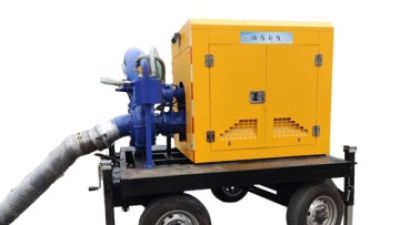
The Centrifugal Diesel Trash Dewatering Pump with Trailer is an essential tool for efficient water management across various applications. This robust pump is ideally suited for engineering construction, general drainage, and sewage treatment operations. Its design allows it to tackle challenging environments, effectively managing large volumes of water while dealing with solid waste, making it an invaluable asset for construction sites and emergency response situations.
One of the key benefits of this pump is its mobility. Equipped with a durable trailer, it can be easily transported to different locations where drainage is urgently needed. This feature is particularly advantageous during flood management or construction projects where the need for rapid water removal is critical. Furthermore, the diesel engine ensures reliable performance over extended periods, enabling operators to efficiently handle demanding tasks without interruptions. Whether for scheduled maintenance or emergency drainage, this Centrifugal Pump delivers consistent and effective results, ensuring optimal water management in any situation.
FAQS
: Consider efficiency, flow rate, material, and compatibility with your system.
The material is crucial for handling corrosive liquids. Durable materials prevent damage.
A complex design can lead to frequent issues. Simple maintenance saves time and money.
Different models have varying energy needs. Make sure it aligns with your setup.
Noise can affect your workspace. Consider how sound might disrupt your environment.
Start by identifying your needs and researching market prices. Stick to your budget.
Flashy features can tempt overspending. Reflect on their actual value to avoid regrets.
Maintenance and parts can add up. Include these in your budget for better planning.
Yes, others' experiences can highlight advantages and flaws you may not consider.
It keeps your priorities clear and makes decision-making easier at the fair.
Conclusion
When selecting a Self Priming Transfer Pump at the Canton Fair 2026, it's essential to consider various factors that influence the pump's efficiency and suitability for specific applications. Understanding the technical specifications, such as flow rate and suction lift, will help buyers make informed choices. Additionally, industries utilizing these pumps in 2026, such as agriculture, construction, and wastewater management, rely heavily on their efficiency ratings and performance metrics.
Material compatibility is another crucial aspect, ensuring that the pump can handle the fluids it will be transferring without degradation. A thorough budgeting and cost analysis will aid in finding a pump that meets both operational needs and financial constraints. Lastly, adopting best practices for maintenance and operation will ensure the longevity and effectiveness of the Self Priming Transfer Pump, making it a valuable investment for various industrial applications.




 Whatsapp