


 Whatsapp
What is a self-priming pump?
What is a Self-Priming Pump?
When it comes to fluid handling systems, the Self-Priming Pump stands out as a versatile and reliable solution. Designed to simplify operation and reduce downtime, these pumps are essential in a range of industries, from wastewater management to food processing. But what exactly is a self-priming pump, how does it work, and how does it compare to non-self-priming pumps? In this comprehensive guide, we’ll explore these questions and more, providing you with expert insights to help you make well-informed decisions for your pumping needs.
Understanding Self-Priming Pumps
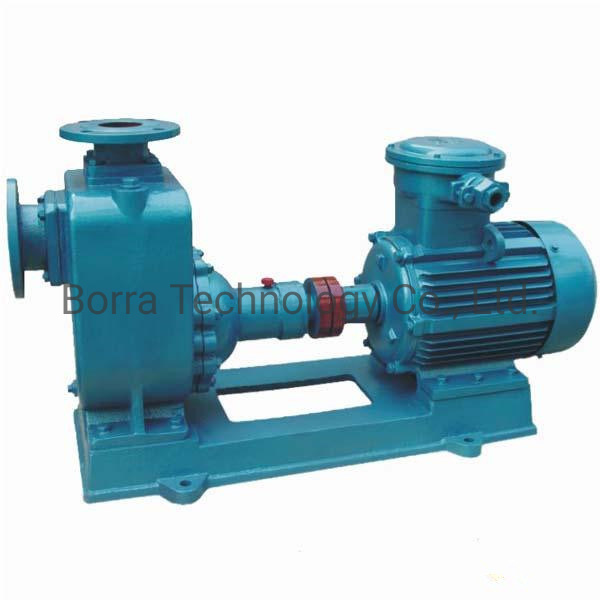
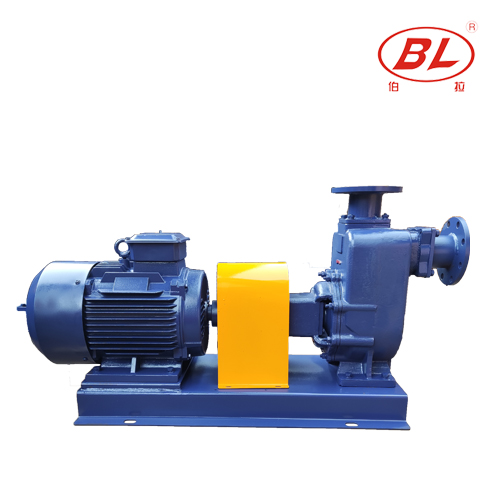
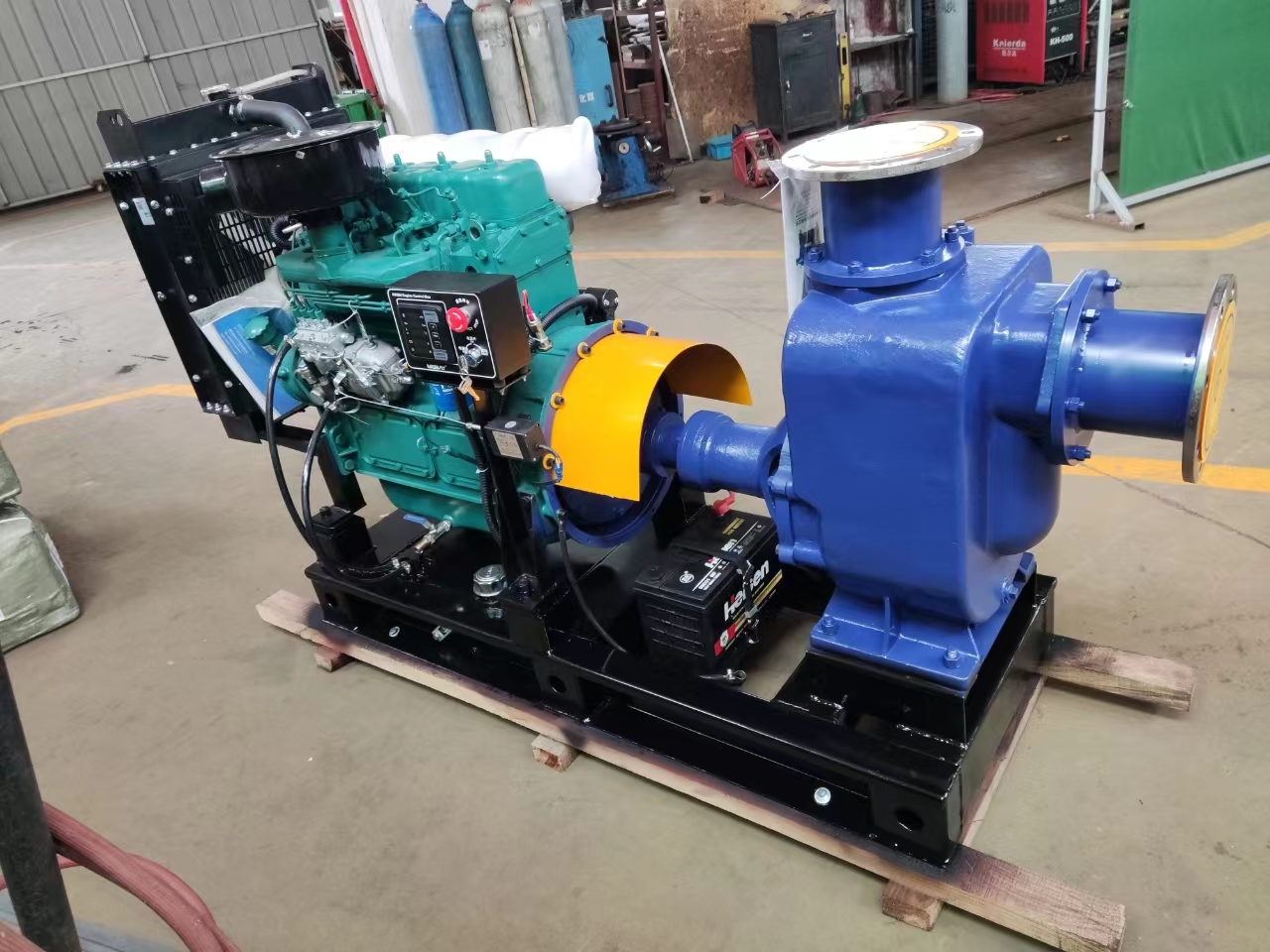
A self-priming pump is a type of pump engineered to clear its passages of air and create a partial vacuum that draws fluid into the pump for operation. Unlike non-self-priming pumps, a self-priming pump eliminates the need to manually fill the suction line with liquid before starting, as it is capable of priming itself. This makes it ideal for initial startup and for restarting after periods of idle operation.
Self-priming pumps are commonly used in applications where the pump may need to handle air that gets into the system or where the liquid supply isn’t initially located at the pump’s impeller level. From irrigation systems in agriculture to sewage and slurry pumping in wastewater plants, their versatility and convenience are largely unmatched.
How Does a Self-Priming Pump Work?
The self-priming pump working principle revolves around its ability to mix air and liquid to create a pumpable mixture. Here's how it works in simple steps:
- During the initial startup, if air is present within the suction line, the self-priming pump creates a vacuum by recirculating liquid inside its casing.
- This vacuum draws the air out of the suction line and forces it into the pump’s volute. The air escapes through a discharge outlet while liquid is retained in the pump casing.
- Once all the air is evacuated, the pump achieves a prime and begins to draw in and deliver liquid effectively.
One key requirement for this process is that the pump housing must retain enough liquid to allow the recirculation process to begin. Therefore, after installation or extended periods of downtime, the pump may need to be manually filled initially to ensure there is sufficient liquid to begin priming.
Types of Self-Priming Pumps
There are several self-priming pump types designed to accommodate different applications and operating conditions. The most common types include:
1. Centrifugal Self-Priming Pumps
Centrifugal self-priming pumps are most frequently used to handle water and low-viscosity fluids. They are highly efficient for applications like water transfer, irrigation, and fire control systems. These pumps rely on the creation of a vacuum through the centrifugal force generated by the impeller.
2. Positive Displacement Self-Priming Pumps
This category includes various pump designs, such as diaphragm, gear, and lobe pumps. Positive displacement pumps are capable of dealing with fluids that are viscous or contain solids, such as sludges and slurries, making them suitable for industrial applications like chemical processing and wastewater management.
3. Trash Self-Priming Pumps
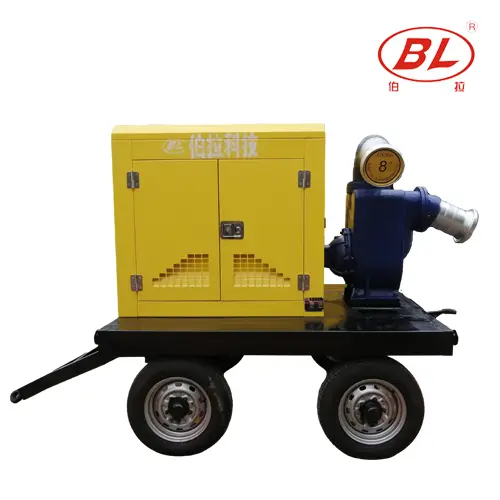
These pumps are specialized for handling solids-laden or abrasive mixtures, such as those in sewage treatment plants or construction sites. Trash pumps are designed with large impeller vanes and robust casings to combat clogging and wear.
Self-Priming Pump vs. Non-Self-Priming Pump
One of the most common questions is how self-priming pumps differ from their non-self-priming counterparts. The primary difference is in their ability to prime themselves:
- Self-Priming Pumps: Can remove air from the suction line, allowing operation without manual priming. They are ideal for situations where pumps may lose their prime, like in applications with an intermittent liquid supply.
- Non-Self-Priming Pumps: Require a completely primed suction line to operate. These pumps are suitable for closed-loop systems or applications where the pump consistently operates under flooded conditions.
While non-self-priming pumps are generally cheaper and more energy-efficient in steady-state operations, they lack the flexibility and ease of operation that self-priming pumps provide, particularly for challenging or unpredictable conditions.
What Are the Advantages of a Self-Priming Pump?
The popularity of self-priming pumps stems from their many advantages, including:
- Ease of Use: No need for manual filling or external priming devices.
- Time-Saving: Ideal for quick restarts after shutdowns or during maintenance.
- Versatility: Suitable for a wide range of applications, from clear Water Pumping to handling sludge and solids.
- Durability: Can handle air, gases, and debris without significant damage to the pump.
What Are the Disadvantages of Self-Priming Pumps?
Despite their many benefits, self-priming pumps also have some drawbacks that you should consider:
- Higher Initial Cost: Self-priming pumps tend to be more expensive than non-self-priming pumps.
- Maintenance: The complex internal mechanisms may require more frequent maintenance.
- Efficiency: Although effective, self-priming pumps may be slightly less energy-efficient compared to non-self-priming options.
- Initial Priming Required: The pump requires an initial priming to ensure that there’s enough liquid in the casing to start the process.
Applications of Self-Priming Pumps
Self-priming pumps are used across various industries due to their ability to handle a wide range of fluids, including water, chemicals, and slurries. Common applications include:
- Agricultural irrigation and drainage systems
- Sewage and wastewater management
- Flood control in residential, commercial, and industrial areas
- Industrial processes, such as chemical or pulp and paper handling
- Marine and offshore dewatering applications
How to Choose the Right Self-Priming Pump?
When selecting a self-priming pump, consider the following factors:
- Fluid Type: Identify whether the fluid contains solids, is highly viscous, or corrosive to choose an appropriate pump material and type.
- Suction Lift: Evaluate the required suction lift height based on your specific application.
- Flow Rate: Understand your system’s flow rate requirements to choose the best pump with the appropriate capacity.
- Build Material: Ensure the pump is made from materials compatible with the fluid to prevent corrosion or wear.
- Maintenance Requirements: Consider the frequency and cost of maintenance for the pump type you select.
-
FAQs About Self-Priming Pumps
What are the disadvantages of self-priming pumps?
While self-priming pumps are highly versatile, they come with some disadvantages, such as higher initial cost, more complex maintenance, slightly reduced efficiency compared to non-self-priming pumps, and the need for initial priming to ensure operation.
How often do self-priming pumps need maintenance?
The maintenance frequency varies depending on the application, the fluid being pumped, and the working conditions. Pumps handling abrasive or corrosive fluids will require more frequent checks and servicing.
Can a self-priming pump handle solids?
Yes, certain types like trash self-priming pumps are specifically designed to handle solids or debris in the fluid without clogging or damage to internal components.
How is the initial priming done?
To prime the pump initially, the casing is usually filled with water or an appropriate fluid before startup. The pump will then perform its self-priming action during initial operation.
For further assistance or to choose the right self-priming pump for your operation, contact our experts today!
Conclusion: Self-priming pumps are a game-changer in the pump industry, offering versatility, ease of use, and reliability across various applications. Understanding the different self-priming pump types and their working principles will help you make an informed decision. While they are not without their limitations, the advantages often outweigh the drawbacks for applications where reliability and simplicity are paramount. Reach out to us now for guidance on selecting the ideal self-priming pump for your industry needs.